Seasonal Lawn Care: Upgrade Your Spring Routine With Robotic Lawn Mowers

Spring is one of the busiest times of the year for lawn care in Australia. As temperatures rise, warm-season grasses begin growing faster, making mowing, watering, fertilising and weed control more important. For larger backyards, keeping up with regular mowing can quickly become time-consuming, especially when weekends are better spent enjoying the outdoors with family.
In this guide, we will cover the key steps for spring lawn care in Australian conditions and explore how robotic mowing can help you maintain a healthier lawn while spending less time behind the mower.
Why Spring Is the Best Time to Prepare Your Lawn
As spring arrives, soil temperatures begin to rise, and warm-season grasses such as Buffalo, Kikuyu, Couch and Zoysia come out of winter dormancy. That's why early spring is the ideal window to get ahead of growth rather than react to it.
Before starting your spring lawn care routine, take a moment to assess your lawn's condition. Check for bare patches, compacted areas, weeds, uneven growth or signs of winter damage. A quick inspection helps you understand what your lawn needs and ensures the right approach, whether it is cleaning up debris, adjusting watering, applying fertiliser or preparing for more frequent mowing.
1. Clean Up and Prepare
A proper clean-up prepares everything for spring. Excessive thatch can reduce airflow and water penetration, making it harder for grass to recover and establish healthy growth in spring.
Start by clearing leaves, twigs, and other debris from the lawn using a rake or blower vac. This improves airflow around the grass and helps reduce the risk of fungal disease as the weather begins to warm.
Check the lawn for brown patches, fungal growth, or areas that feel soft and spongy underfoot. If low spots held water over winter, lightly top-dress them with sandy loam to improve the surface level and drainage.
A leaf rake or blower vac, a garden fork or aerator, and a green waste bin will cover most of the clean-up. A soil thermometer can also help you judge when the soil has warmed enough for spring fertiliser.

2. Watering and Fertilising
Water deeply and less often rather than giving the lawn a light sprinkle every day. Aim for around 10-15 mm per session, applied early in the morning. The tuna tin test is a simple way to check your sprinkler's output. Place a few empty tuna tins across the lawn, run your irrigation system, and see how much water has collected in each one.
Start fertilising once the lawn is actively growing. In southern parts of Australia, wait until soil temperatures are consistently warm before applying the main fertiliser in spring. Slow-release fertiliser works well for steady feeding, while liquid feeds provide a quicker boost.
Avoid overwatering or over-fertilising. Both can weaken the lawn, increase the risk of disease, and encourage excessive growth. Adjust your routine based on rainfall, soil type, grass variety and local water restrictions.
3. Weed and Pest Management
Spring is peak germination season for weeds and peak activity season for pests looking to move in on a recovering lawn. Common spring weeds in Australian lawns include bindii, clover, winter grass and oxalis.
Pre-emergent herbicides or weed preventers can be highly effective when applied at the right time and matched to your lawn type. Post-emergent herbicides target existing weeds and work best when applied after rain or watering. Manual removal handles small infestations well, particularly after rain when the soil is soft enough to pull the whole root. NSW WeedWise is a solid reference for identification and control options.
Brown patches that lift easily like loose carpet are often a sign of lawn grub or curl grub activity. Treat only the affected area rather than the whole lawn. Beneficial nematodes can be a lower-impact option for managing some lawn pests before using broader insecticide treatments.
4. Start Mowing Gradually
Spring growth can be surprisingly fast, especially for Buffalo, Kikuyu and Couch. Rather than letting the lawn grow long and cutting it back heavily on weekends, it is better to mow more often and remove only a small amount each time. As a general rule, avoid cutting more than about one-third of the leaf in a single mow. During peak spring growth, many Australian lawns may need mowing twice or three times a week depending on rainfall, temperature and grass type.
Recommended spring mowing heights
A robotic mower can maintain the lawn in smaller, more regular passes, which helps keep the cutting height consistent as growth speeds up. For Australian backyards with trees, garden borders, narrow passages or outdoor furniture, vision-based navigation can also reduce the amount of setup and supervision required.
Smarter Lawn Care with ADVINSYS TerraMow
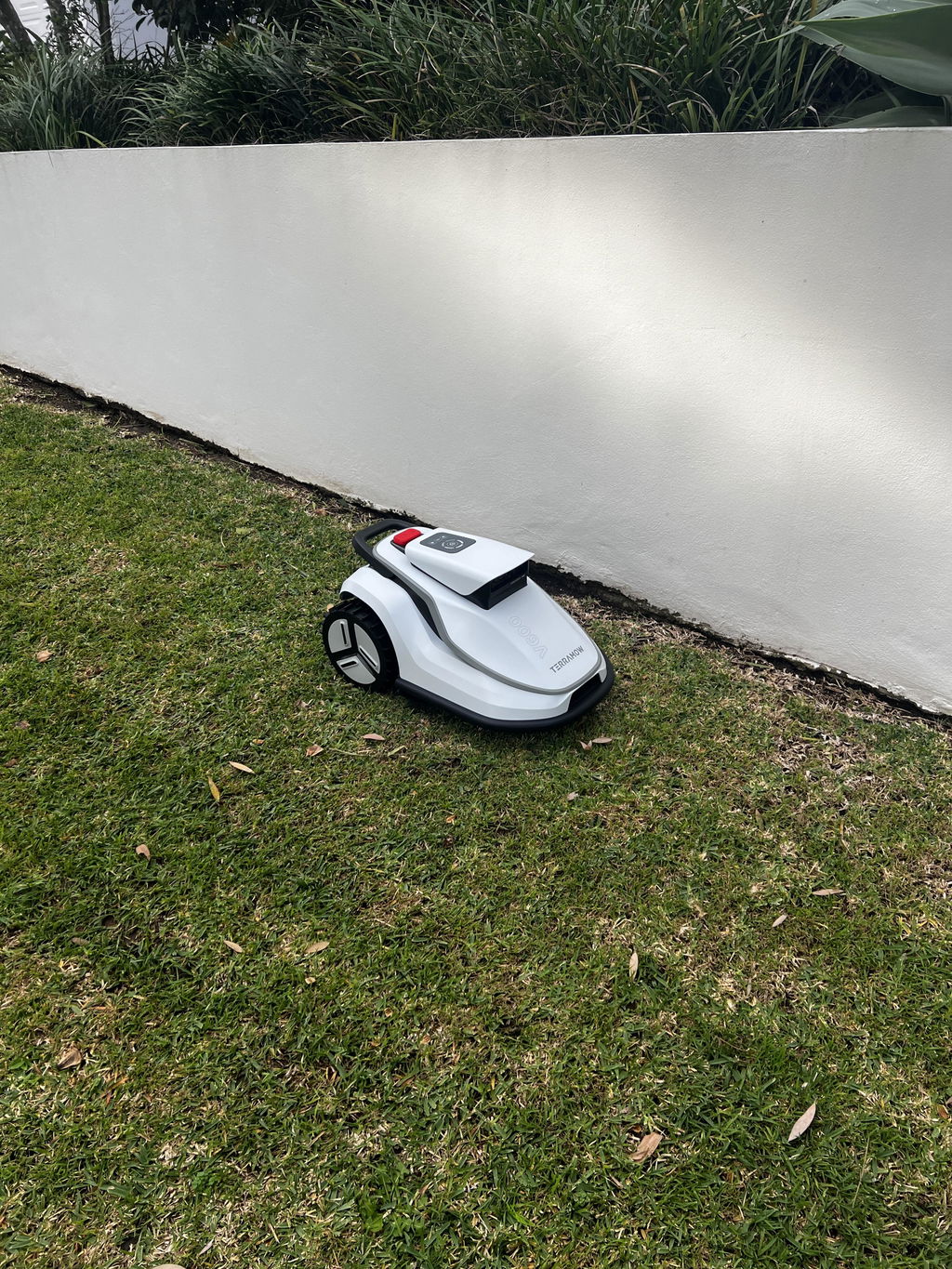
Keeping a consistent mowing schedule is a challenging part of spring lawn care. The ADVINSYS TerraMow simplifies this with triple-camera AI vision that identifies lawn boundaries, detects obstacles, and plans efficient mowing routes. It is designed to handle uneven ground, lawn edges and narrow side passages.
The TerraMow V600 is a practical choice for small to medium-sized lawns, while the TerraMow V1000 is better suited to larger backyards. Cutting height adjusts from 25 to 75 mm, covering almost every grass type in real Australian backyards. Both models are fully electric, produce zero running emissions and operate below 54 dB, quiet enough to run through the day without disturbing neighbours.
Instead of waiting for the lawn to become overgrown before the next weekend mow, TerraMow helps turn mowing into a regular, automated part of your spring routine. That means fewer heavy cuts, less hands-on work and more time to enjoy your backyard with family. For more seasonal mowing tips, see our guide on how often to mow your lawn in Australia.
Spring Into a Better Lawn Routine
A healthy spring lawn comes down to consistency. Regular maintenance such as mowing, watering, feeding and controlling weeds helps keep your lawn healthy and manageable through the warmer months.
Robotic lawn mowers can reduce the time and effort required for regular lawn maintenance by keeping grass trimmed consistently. Explore the ADVINSYS TerraMow robotic mowers and find a model suited to your backyard size and mowing needs.